
URBACT - GreenPlace
Enhancing Inclusion and Accessibility: My Experience with the GreenPlace Network
The GreenPlace Network, a URBACT initiative, brings together ten partner cities to “recycle” unused urban spaces through innovative and participatory approaches. By incorporating regional specificities and emphasizing greenery as a critical factor in combating climate change, the project aims to create sustainable and inclusive urban environments. The main partners include:
- Lead Partner : Wroclaw – Poland
- Nitra – Slovakia
- Vila Nova de Poiares – Portugal
- Boulogne sur mer Développment Côte d’Opale – France
- Löbau – Germany
- Cehegín – Spain
- Bucharest Metropolitan Area Intercommunity Development Association – Romania
- Onda – Spain
- Quarto d’Altino – Italy
- Limerick – Ireland
Delivering Expert Services with a Focus on Inclusion
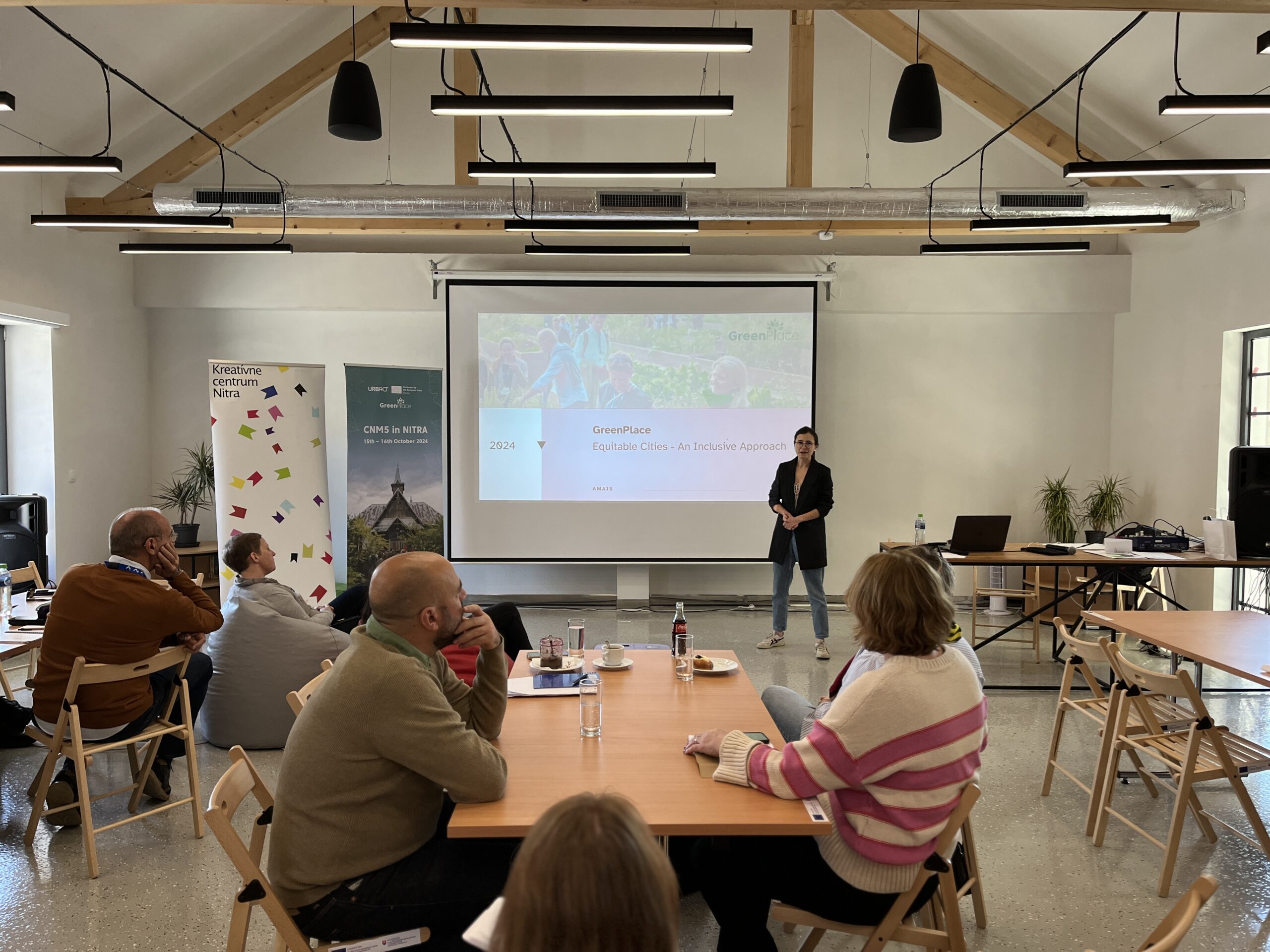
My involvement in the GreenPlace Network has been centered on enhancing the inclusion and accessibility of public spaces. I participated in two online meetings with the lead expert throughout the initiative to get aligned on the network’s objectives and priorities. These discussions laid the groundwork for a workshop that I customized to the needs of the participants at the Nitra meeting in Slovakia in October 2024.
Workshop on Inclusive Design for Public Spaces
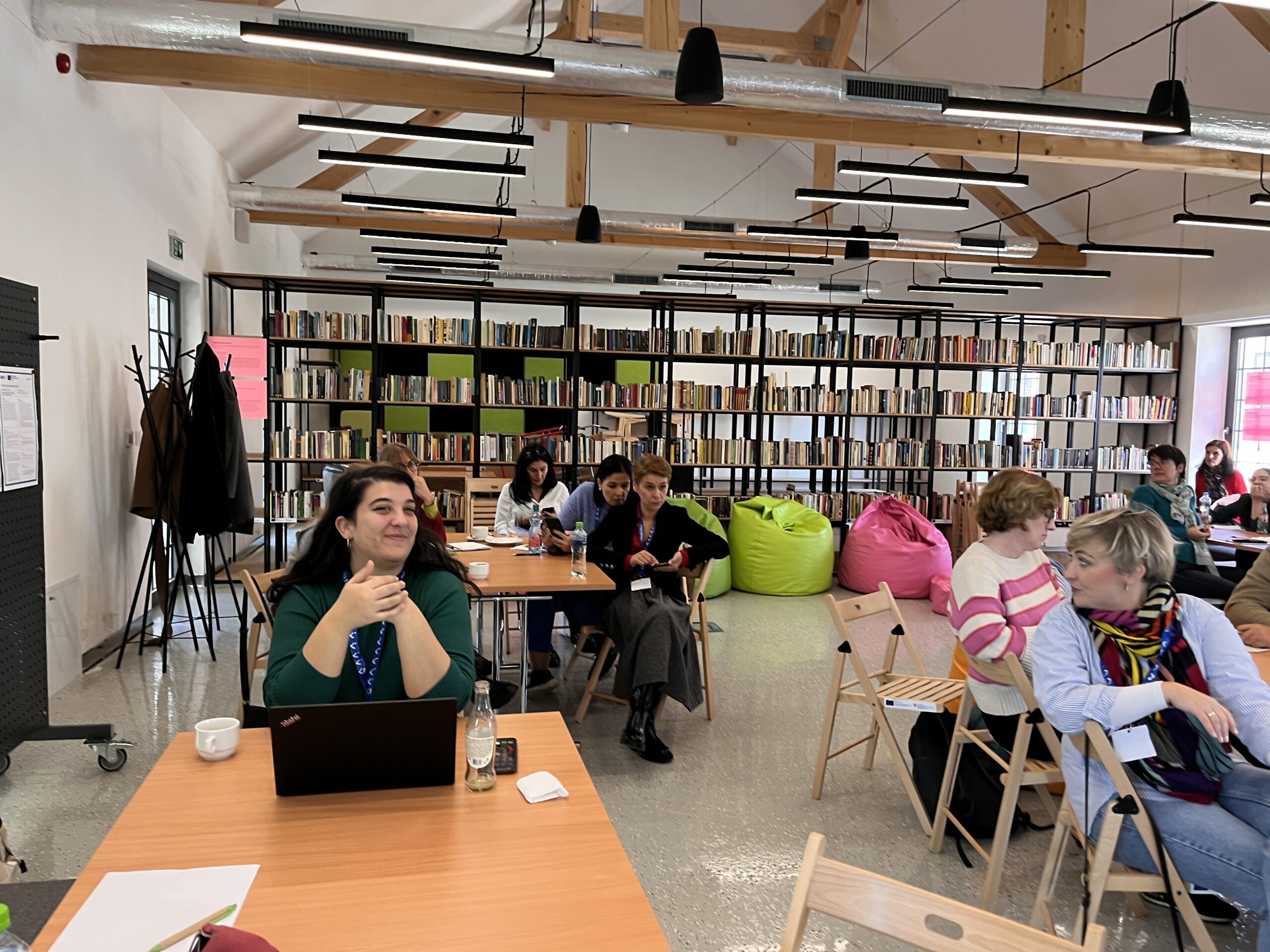
During the Nitra meeting, I actively participated in all scheduled activities to gain a comprehensive understanding of the projects and their diverse requirements.
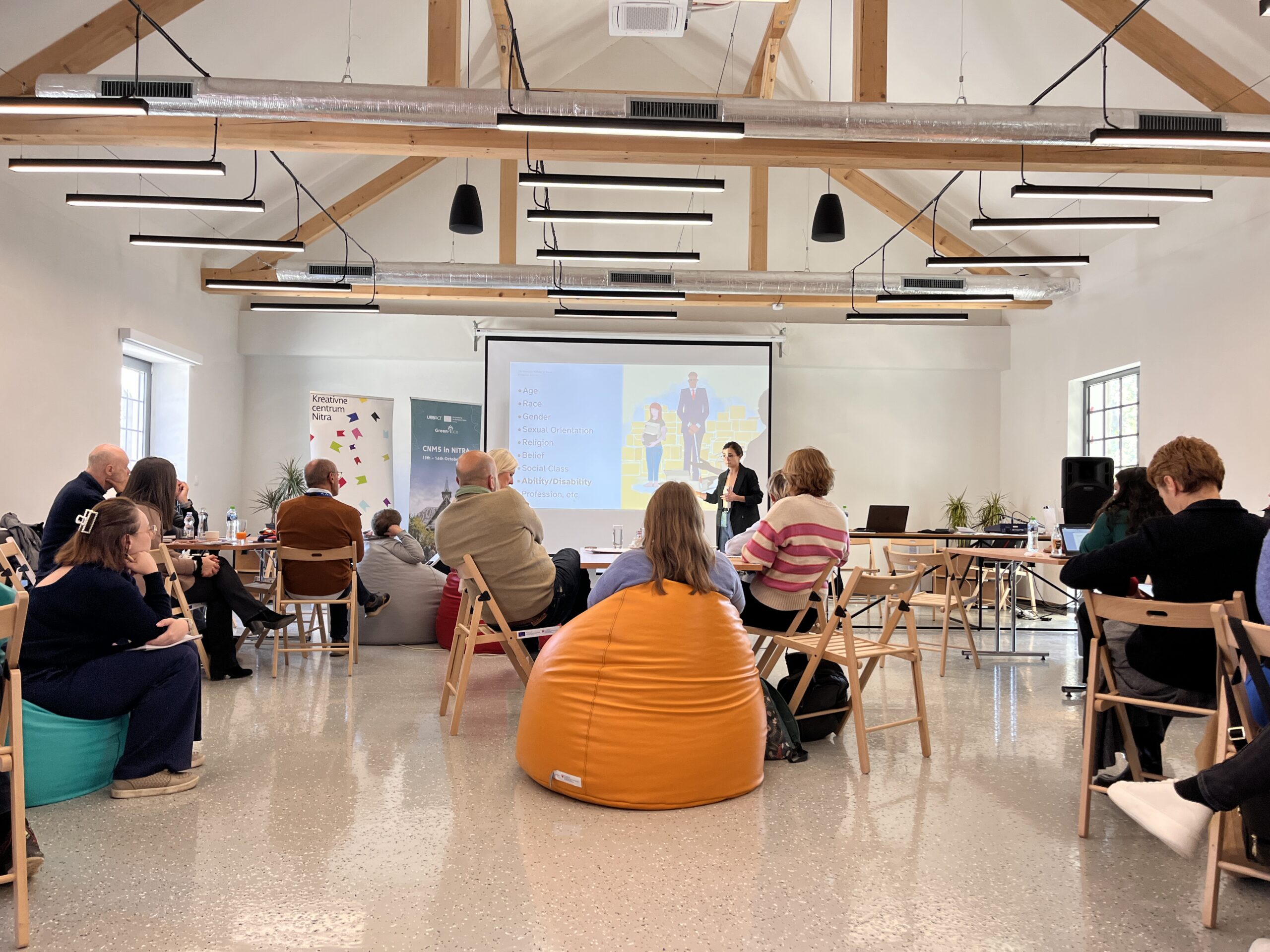
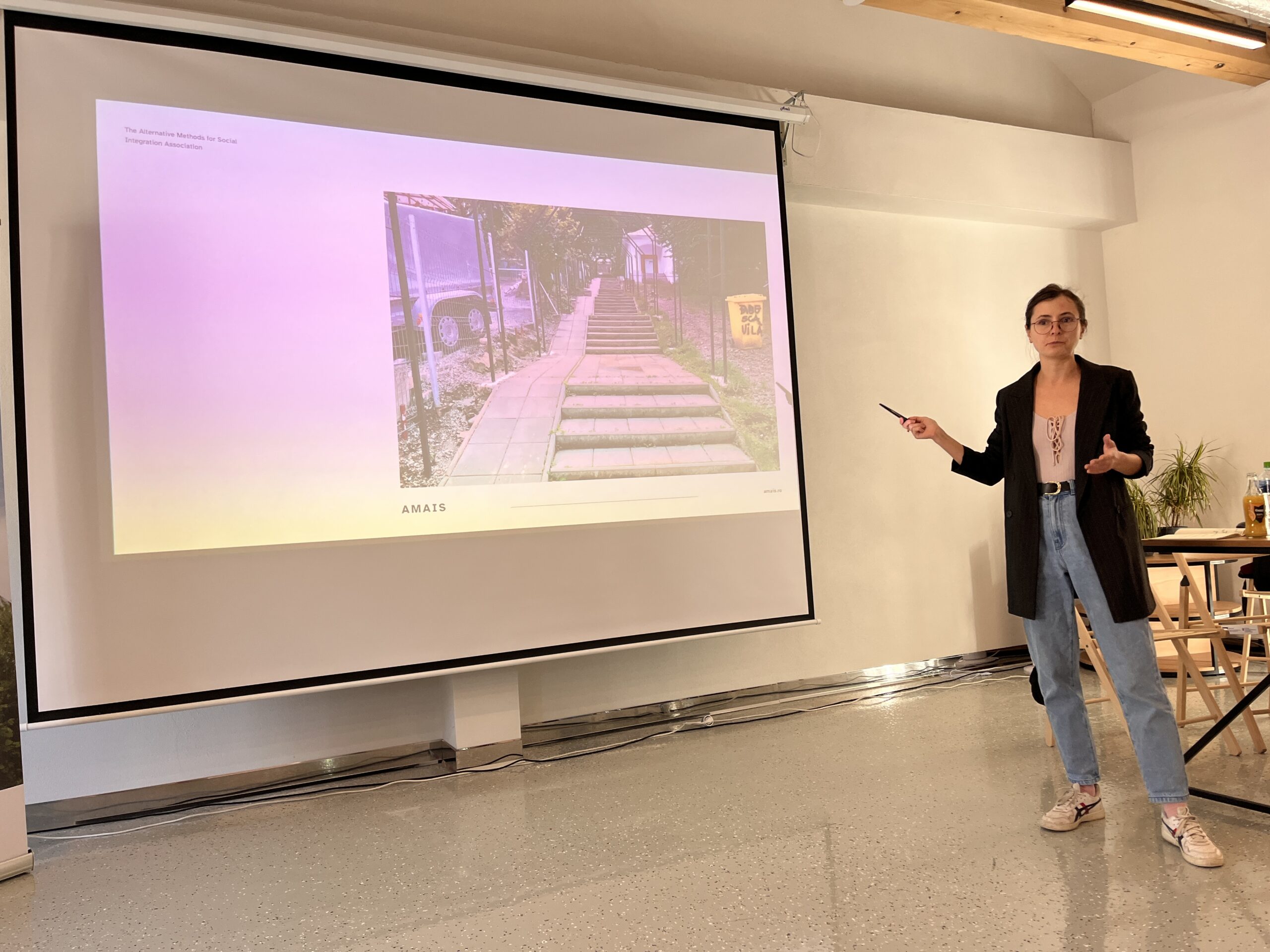
One of the highlights of my contribution was delivering a two-and-a-half-hour workshop on inclusive design for public spaces. This session captured significant attention and garnered positive feedback from participants.
The session began with an interactive introduction where participants shared personal stories of exclusion, setting the stage for a deeper exploration of the topic. Attendees then delved into the history of disability, examining biases and the social model of disabilities. This perspective helped them see disability beyond permanent impairments, intersecting with discrimination created by the built environment based on factors such as gender, age, and culture. Participants explored how the built environment contributes to social segregation and discussed the importance of shifting accessibility from being a “special case” to a core priority in urban development.
The workshop also emphasized hands-on exercises, encouraging attendees to reflect on their experiences with exclusion and engage in meaningful discussions. Their willingness to share experiences enriched the dialogue, fostering a deeper understanding of the challenges faced by diverse individuals in public spaces. To further enhance the workshop’s impact, I prepared a video experience filmed from the perspective of a blind person navigating public spaces in Bucharest, Romania. This resource offered participants a powerful visual insight into the obstacles faced in everyday environments by individuals with permanent disabilities.
The session also included practical learning on how to conduct accessibility analyses. To apply these concepts, participants engaged in a collaborative, hands-on activity assessing the accessibility of their projects. This exercise fostered a comprehensive understanding and awareness of accessibility issues, equipping attendees with the tools to prioritize inclusion in their work.
Supporting the Network’s Goals Through Written Resources
In addition to the workshop, I authored an article that addresses key considerations for accessibility and inclusion in public spaces. This resource provides practical tools, actionable examples, and insights to inspire URBACT networks to embrace and promote inclusive design principles. The outcomes of both the workshop and the article are intended to serve as foundational resources for advancing the goals of accessibility and inclusion within the GreenPlace Network.
Reflections and Impact
The work completed as part of the GreenPlace initiative has strengthened the understanding and implementation of inclusive design principles among network partners. By fostering discussions and providing actionable insights, we have taken steps toward creating public spaces that are not only accessible but also welcoming to a diverse range of people. It has been a privilege to contribute to this transformative initiative, and I look forward to seeing the positive changes it inspires across the participating cities.
Status: completed
Ad-hoc Expert: Iris Popescu
Network: GreenPlace
Lead Partener: Wroclaw – Poland, Joanna Gańcza-Pawełczyk
Lead Expert: Marcelline Bonneau
Financed and comissioned by: URBACT
Workshop Location: Nitra, Slovakia
Period: Aug. – Nov. 2024
Article: https://urbact.eu/accessible-and-inclusive-public-spaces-foundations-thriving-communities


